


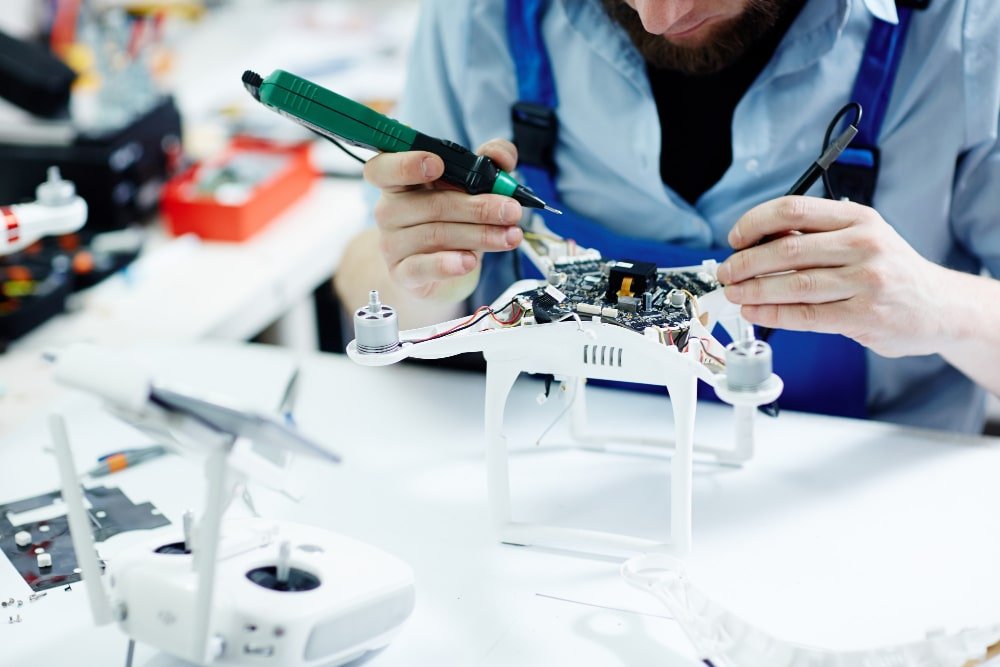
From Classroom to Industry: Building Real-World Skills with Mechatronics Training Systems
The gap between what students learn in classrooms and what industries expect in the workplace has been a persistent challenge. While theory forms the foundation of engineering education, it is practical skills and real-world problem-solving that define success in the job market. Mechatronics training systems are bridging this gap, ensuring that students graduate not only with knowledge but also with the confidence and capability to apply it.
Why Industry Demands More Than Theory
Today’s industries—whether in automation, robotics, automotive, aerospace, or smart manufacturing—are powered by interconnected systems. Engineers must:
- Integrate mechanical, electrical, and control systems.
- Troubleshoot complex, real-time problems.
- Adapt quickly to rapidly changing technologies.
Unfortunately, traditional education often emphasizes classroom lectures and written exams, leaving graduates underprepared for these expectations.
Enter Mechatronics Training Systems
A mechatronics training system provides a hands-on learning environment where theory is transformed into practical skills. By combining motors, actuators, sensors, PLCs, and software-based control systems, these platforms simulate real-world industrial setups on a manageable scale.
Students can design, build, test, and optimize systems—mirroring the challenges they’ll face in the workplace.
Building Real-World Skills Step by Step
1. System Integration
Students learn how mechanical parts, electronic components, and software interact—just like in modern industries.
2. Troubleshooting & Debugging
By encountering real errors during experiments, learners gain problem-solving skills crucial for industrial settings.
3. Programming & Automation
Trainer systems introduce students to PLC programming, control logic, and automation tools, giving them an edge in fields like smart factories and robotics.
4. Project-Based Learning
Instead of repeating routine lab tasks, students can prototype, innovate, and build projects that prepare them for R&D and industry innovation.
5. Team Collaboration
Working on these systems in labs encourages teamwork, communication, and collaborative engineering skills, which are highly valued in industry.
Where the Impact Is Most Visible
- Universities & Colleges – Preparing graduates with practical skills to match industry standards.
- Vocational Training Institutes – Equipping learners for career-ready technical jobs.
- Corporate Training Centers – Reskilling employees for advanced automation technologies.
- Innovation Hubs & Startups – Providing a platform to test ideas before scaling to industry-level solutions.
Closing the Classroom-to-Industry Gap
The transition from academia to industry should be seamless, not stressful. Mechatronics training systems empower students to leave classrooms as industry-ready professionals, armed with skills in integration, automation, and innovation.
By embedding these systems into education, institutions are not just teaching; they’re future-proofing careers and giving industries the skilled workforce they need.
Final Thoughts
In the evolving world of Industry 4.0 and beyond, the engineers who thrive will be those who combine strong theoretical knowledge with hands-on, practical expertise.
Mechatronics training systems ensure that students don’t just learn how things work—they learn how to make them work in the real world.
The classroom is where knowledge begins, but with mechatronics, the journey to industry readiness becomes a reality.